Different Models
Perhaps the most important aspect of any Porsche that we always check carefully is the evidence of proper servicing. This has never been more important with the change to 2 year/20K miles service intervals for the 2004 model year. Even with the older cars we are looking for those all important regular engine oil changes. With the younger models the wear and tear comes from everyday use, but a low mileage, older car may also have problems.
Proper documentation is a crucial aspect affecting the value of all Porsches, from the registration document to the Guarantee and Maintenance booklet, MoTs and service bills. On the later cars we check that the Vehicle identification Label (VIL) is authentic and correct for the model.
Generally, the value of used Porsches comes down to condition and mileage. If an older (pre-1989) car is in top condition, then has a good service history, don't spend too much time wondering about whether its value is affected because it is Mocha brown rather than Minerva blue metallic! The value is in the quality, reliability and provenance of the car.
The most important point to remember is that there are no Porsche bargains!
A tailored approach to the various models
Because there are so many different models of Porsche, we adopt a tailored approach to each of our Porsche inspections. No two inspections are the same! We pride ourselves in the specific detail check we use for given models from different eras. What is important in each case is to make the judgement between what is expected wear and tear on a car, and what amounts to poor maintenance or poor repairs. What follows here is designed to give you an appreciation of the way we approach each model. We take photographs throughout the check and these are integrated into the report on the car.
Our clients often use our inspection reports as a reference when they come to sell their cars on. If you are wondering if an inspection is really worth it on a recent car, bear in mind that identifying gaps in the service documentation, worn brake discs or pads, non-working seat adjusters, broken trim issues and so on can quickly payback the cost of an inspection. When we uncover poor or undeclared crash damage repairs, the value of the inspection is fully justified.
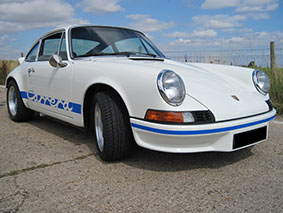
Early 911s (and 912s)
Early 911s are those cars built before 1973 - the pre-impact bumper cars. The early cars require very careful selection, because they did not have anything like the bodyshell protection of the post-1976 galvanised cars (the limited zinc coating of the cars made after 1970 is virtually worthless today). Understanding the differences of the cars made between 1965 and 1973 is half the battle but knowing where to look for the corrosion and defining the originality are the principal tasks.
While full provenance is a nice to have, it is condition and authenticity that are the top value added features on early cars. Colour and trim level is becoming less important as buyers seek a no-hassle car to enjoy.
Our inspection focuses on the many rust sources to be found on these cars. Unfortunately, the market is full of unscrupulous sellers who give some cars copious amounts of filler, conceal serious problems and apply a cheap paint job to the upper bodies. And a high price doesn't mean a car is in good condition. Full bodywork-only restorations on corroded early 911s can easily run into tens of thousands, so great care is required. This is why a full restoration is only worthwhile on a car that is both bought at the right (low) price and when finished, will be worth what you've put into it. Project cars (to give them an often misleading title) abound and buyers must exercise extreme caution when buying such cars. Expert help is essential if you want a car that will serve you well and not cost you a fortune.
The high value early cars (2.7RS and any 911S) are now a special case among Porsches. We pay careful attention to originality and authenticity using our significant experience of these models.
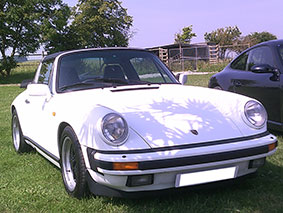
The late 1970s to late 1980s 911s
The 911SCs and Carrera 3.2s remain much sought after models, but these cars do require careful selection. Many feel these cars are now the 'sleepers' of the classic Porsche family - and the evidence suggests they are right. Values on the 1974-75 2.7 Carrera have grown steadily and the base model 2.7, Carrera 3 an 911SC are highly sought after with prices adjusting to meet the demand. For a first Porsche classic, a Carrera 3.2 is a great proposition, but the early 915 gearbox cars are more prone to corrosion than the later G50 gearbox examples (but the later cars can rust!). Without power steering, they are quite physical cars to drive.
Often these cars have not been well looked after and can often be quite scruffy. Another problem is the onset of structural corrosion. The smallest of rust blisters can often be the only visible evidence of well-established corrosion.
Carrera 3.2s often have relatively high mileages and as a result these cars require careful assessment of the mechanical components, particularly under the car. Replacing rusted heater control valves, brake lines and suspension components can often accumulate an expensive repair bill.
The single-turbo 911 Turbo is one of the best Porsche driving experiences you can have and the 3.3-litre version is a fun (if slightly scary) car to drive. The earlier pre-1978 3.0-litre Turbo is a very rare bird today. The key inspection factor is again the bodyshell. If this is sound and the interior is in good condition, then the car is often a good prospect.
The Cabriolets were introduced in 1983 and those original roofs that remain are often in poor condition. We check that everything works and that the material is weatherproof. Not appreciating when a convertible roof needs to be replaced before purchase can be an expensive oversight.
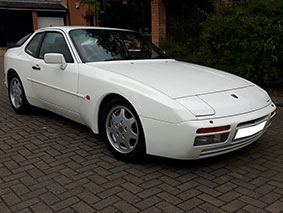
924s, 944s and 968s
944s are the best value Porsches around today, but because many are run on a shoestring, their maintenance is often ignored. Later cars have all-aluminium engines and both can show wear signs that can result in big bills. We look for cam, balance shaft belt and idler replacement but also wear on the inlet camshaft drive, engine mounting collapse, power steering pump leakage and so on. These cars can also show corrosion problems, particularly in the sill areas, while suspension wear and tear is always a concern.
The most sought-after 944s are the 3-litre S2 and the Turbo, mainly because these are the most powerful and because they appeal most to the classic car buyer. The 944S shouldn't be under-estimated, although it suffers from a famous power flat spot in the mid rev range.
A far better choice than a weary old hatchback!
The 968 (particularly the ClubSport) is highly sought-after today, but there were relatively few sold in the recession-hit years of 1992 to 1995. This means that good cars are very difficult to find and the unscrupulous will try to sell average or poor cars at high prices. Our inspection is focused on unearthing signs of cheap or unskilled repairs on these cars and evidence of poor servicing to the engine and chassis. The condition of the camshaft drive chain (that is also part of the Variocam arrangement) is a known weak spot. The same 944 belt issues also apply to the 968. The bodyshell on both models is fully galvanised, but a careful check is required underneath to assess for corrosion attack after crash damage.
The cars commanding the highest prices are the Club Sport and the Sport models, but there are plenty of very tired examples around, so care is essential.
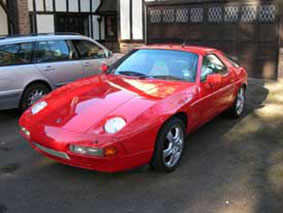
928s
The 928 is fantastic value for what it is. If it is V8 power you want, combined with an almost full four-seater (you can get adults comfortably in the back), then the 928 is worth considering.
Everybody will tell you the 928 is like a loaded gun. It's great while its running well and does more than you could wish, but just hope it doesn't go wrong. This reputation is a little harsh, but there's no doubting this is a car that needs tender loving care. It is not generally the V8 engine that gives problems (although some have suffered with bore wear issues), but the electrics. They are a very complicated car and have a lot of cutting edge (at the time) systems. Underneath they are susceptible to corrosion on the steel parts such as fuel lines and hydraulic pipes.
Many of the cars we see have been repainted, and this isn't such a big deal as long as it doesn't cover poorly repaired accident damage.
As always, we look out for a water-tight service history and loving ownership. The way a 928 drives is also a good way of telling the car's quality.
964s
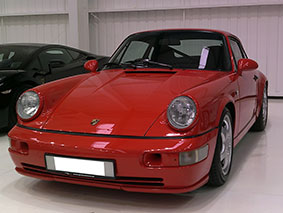
The 964s have acquired a mixed reputation among enthusiasts. Engine oil leaks are common place but good 964s do exist and on pre-1991 cars upper body corrosion is a concern. If the car is dry and well-maintained it will give good service. Later 964s (post 1992) are great cars and if one can be found that has been well looked after, it won’t disappoint. There are quite a few 964s that were first registered in 1992-93, that are actually earlier specification cars. Porsche couldn't sell the early cars because of an economic recession and these cars must be identified as they have differences to the later models. It is important to say that the Turbo and RS models are not prone to the leakage and flywheel problems of the Carrera. But these higher performance cars will be subject to increased wear and tear.
The 964 Turbo is the last of the single turbo 911s and as such is one of the most entertaining drives you could ever wish for! The 1993 Turbo S and Turbo 3.6 are very sought after, but finding one that hasn't been shunted or poorly cared for is very difficult. Dubious histories also are also plentiful. The RS is another special 911 and establishing that the car is original and not damaged is the priority. Our experience suggests these special 964s also have their own unique set of older car issues and with the RS, establishing the car is firstly original and secondly hasn't been crashed is the top priority.
993s
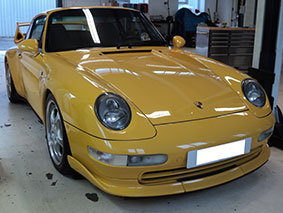
Without a doubt this is the 911 - the last of the air-cooled 911s - many dream of owning and all 993s have appreciated strongly. The Carreras are great cars and it is important to appreciate the difference between the 1994/5 272bhp cars and the 1996-98 285bhp models. The later models are called the Varioram models and benefit not so much from the extra power but noticeably better mid-range torque. Note also the differences between the ‘narrow’ body 993s and the ‘wide-body’ models.
With these cars we are always looking for crash damage repairs and cheap repairs to things like door check straps and front bumper dings. The 993 engine has a great reputation, but a good service history is essential. Nevertheless, these cars suffer from not being used enough, so cam covers leak, HT leads perish and brake discs corrode. We never take the engine inspection for granted, as often we find issues with the condition of parts. Component corrosion can also be an issue with these cars. A water-tight service history with another means of verifying the mileage is also important.
The Cabriolets roof doesn't seem to wear very well and water ingress can be a problem. Similarly, Targas (hard to find) have their own set of issues that we always check for.
The 993 Turbo, Turbo S and 993 RS are now highly prized and these cars are possibly the best Porsche investment you will find. However, there are plenty of very tired cars and those that have dubious provenance. Prices range very widely and great care is required.
996s
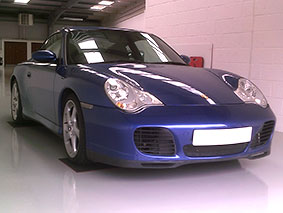
The early 3.4-litre Carreras have suffered from a mauling on the enthusiast forums and a reputation for premature engine issues. Whilst this may not be entirely fair, buying a 996 Carrera does require care. The small number of engines that have had major issues like cylinder fracture, bore scoring and intermediate shaft failure invariably give little or no warning of a problem, but the reality is that there are many more frequent issues that should concern the buyer. The possibility of a major engine failure should be considered a low probability. Perhaps the most well-known issue on these engines is the tendency to leak oil from the crankshaft Rear Main Seal (RMS) or indeed the intermediate shaft seal. These leaks are annoying, but they aren't showstoppers. We won't advise you to have an RMS that is only 'sweating' to be replaced, but will only suggest this if it is dripping.
The later (post 2001) Carreras have 3.6-litre engines and were developed a little more for reliability and have become the 996 'best buys'. There are however, question marks over the reliability of the Carrera engines, with some cars experiencing expensive failures, RMS and IMS issues are still relevant. The introduction of 20K mile/2year service intervals has introduced another variable into the question of reliability of these engines. Poor oil quality can destroy an engine very quickly and combined with sub-standard cooling system efficiency can result in cylinder bore scoring, particularly on 2004MY onwards cars. It's important to say these trending major issues do not affect every Carrera engine. Don't believe everything you read on the net, because most of these cars are perfectly OK! The computerised MoT record at the DVLA also helps verify mileages that can be adjusted by the unscrupulous quite easily.
We always put a laptop on these cars to check engine operating life against the mileage, any system fault codes and previous over-revving (more common than you may think). These models also do not appear to be as robust as the earlier models so we always check bodyshell and interior condition and that all the electrical accessories work. Both auto and manual transmissions require careful assessment.
The GT and Turbo models are not generally affected by the Carrera engine issues. They used the race proven core crankcase that can trace its linage back many generations. As a result it is a much stronger package and doesn't usually suffer from many of the Carrera's failure issues. With all the faster Porsches, checking with a laptop is essential, particularly for over-revving.
The Turbo is a great car and great value for money, but its running cost shouldn't be under-estimated. They represent a great first time buy for new Porsche enthusiast who wants a recent performance car, capable of nearly 200mph. We are always extremely cautious when we check the ceramic braking systems as these require very careful ownership and replacement is prohibitively expensive. Whenever we check 996 Turbos we always devote more time to the underside of the engine, looking in particular for evidence of leaks, corrosion and wear and tear in the turbo assemblies.
997s
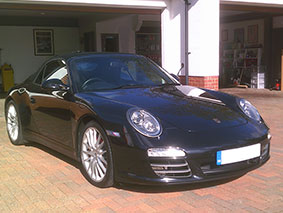
Launched in 2004 the 997 saw a larger engine introduced, plus various styling and interior upgrades. Our approach to these cars is to ensure our customers buy examples with top service histories and drive cars that haven't been involved in early life adventures. We use paint thickness gauges and our experience to determine the integrity of the body finish and establish whether the car has been involved in any repairs. Most important is the Gen 1 Carrera engine's perceived condition. These cars were on 20K mile/2year service intervals which many experts are now suggesting was a step too far for this engine. Poor oil quality, combined with an apparent weaker cooling system integrity can contribute to what is called cylinder bore scoring. It becomes evident with higher than expected oil consumption. We check for the outward signs of this issue and cooling system effectiveness. We always put a laptop on the ECU to check the engine data and get a view on the credibility of the mileage shown on the dash. RMS leaks can be a problem still with the early 997s and like the 996s, a small number have been subject to unpredictable engine failure.
The Gen 2 cars (late 2009 on) had a brand new engine designed to survive modern driving conditions. Often referred to as the Dfi unit (direct fuel injection). The PDK double clutch gearbox was introduced at this time. As good as these cars are, we always focus on checking for higher wear and tear and accident repairs and they still share a range of common faults with the earlier cars. GTS models have proven popular as they come fitted as standard with many desirable options.
Colour is important on the 997, with the conservative darker blues and greys being the most popular. Options are also important to the value of a 997, cars with Sport Chrono have the small stopwatch mounted at the centre of the dash top surface.
The 355bhp 3.8-litre Carrera S is a sensational performer and ideal for those long motorway journeys. However, don't dismiss 3.6-litre Carrera either. With 325bhp it has more than enough power to put a smile on your face!
Like the 996, the GT and Turbo models use a different engine and do not suffer the Gen 1 Carrera engine trending problems. The 997 Turbo is a very sought after model, but many have led adventurous lives. They do have their own wear and tear issues and a good service history is the starting point with these models.
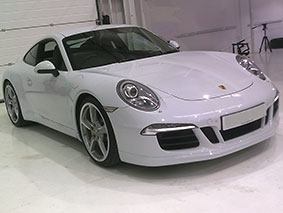
991s & 981s
Introduced in 2011 the 991 was a vastly different car to the 997 that preceded it. The bodyshell was made of a variety of exotic materials, some bonded and riveted in place. Many new technologies and electronic systems were introduced which need careful checking. Very few bodyshops have the equipment or knowledge to repair one of these cars so caution is advised if there are signs of past damage. The GT3 engine was a new design based on the (new) Carrera unit and has suffered a series of mechanical issues. Many have been replaced under warranty and some cars have had more than 1 replacement unit! It is important to check if this work has been carried out and if possible, see which version is currently fitted.
The 981 Boxster and Cayman were introduced a year later and like earlier versions, share many parts and technologies with their contemporary 911s. The GT4 Cayman has proven to be a very popular model for those looking for the ultimate trackday weapon.
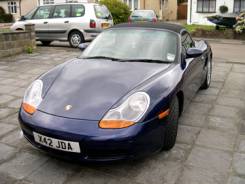
Boxster (986, 1997-2004)
Surely Porsche's best value sports car of the past 20 years, the Boxster is coming into the reach of many enthusiasts. Sharing many components with the 996 models, the common issues and failures are similar. These cars need careful looking after to maintain their condition and our inspections focus on the condition of the bodyshell from a wear and tear viewpoint, the interior condition and that everything works as it should.
The other aspect is engine condition. Leaking Rear Main Seals (RMS) have caught the headlines on these engines, but there are various other issues that we always keep a close look-out for. All Boxsters are assessed using a laptop on the ECU (for engine life comparison with mileage, system fault codes and over-rev history). The introduction of the 20K mile/2yr service intervals for the 2004MY has been criticised for this high performance engine and we are always vigilant for the outward signs of cylinder bore scoring and accelerated engine wear. Intermediate shaft bearing failure is another issue that appears to affect higher mileage cars (above 50K miles), but while perhaps 5% of cars have so far been affected, this issue gives little warning of failure. 986 Boxsters show a fairly typical series of wear and tear faults that are usually straightforward to fix - the question is usually who pays for it!
The Tiptronic is very popular on the Boxster and is great for those who are looking for an everyday driver. The facelift models made from September 2002 came with the glass rear window and these cars continue the ever-improving build quality of the 986 models.
The Boxster S is a hotter car but won't suit everyone's needs as an everyday car. These cars also require careful assessment of the condition of the suspension, brakes, wheels and tyres. As a general comment, we would advise caution on Boxsters that appear to be cheaper than your expectations. You only ever get what you pay for and there are plenty of damaged / repaired examples out there!
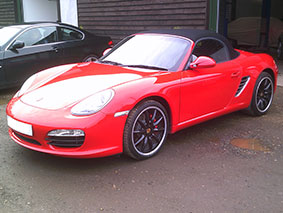
Boxster (987, 2004 onwards)
The second generation Boxster is 80 per cent new and brings with it improved build quality and a completely new interior. As with the 997, sat-nav is beginning to play an increasing part in the desirability of the everyday 2.7 models, although perhaps not so important on the more sporting S.
The 2005 models now share the same engines as the Cayman, giving the Boxster S a thumping 295bhp and the 2.7 245bhp. These outputs shift the Boxster into the high performance category.
Amongst the main problems are scruffiness and poor service histories. The cars enjoy 20,000-mile service intervals and that seems to result in some owners neglecting to look after the everyday needs of their cars. As with all the 996 and 997 models the engine condition and ECU check is a priority with a used Boxster. The trending issues mentioned in the 986 Boxster and in the 996, 997 sections also apply to the 987 engines.
The basic Boxsters are very bland, so the best ones will have a good options list. Mileage and colour are also key factors in desirability and price. Options to look out for are Porsche Stability Management on the 2.7, full leather interior and full electric seats and sat-nav (PCM). Cruise control is increasingly popular also.
We would suggest that like the 996 and 997, assessment using a laptop is absolutely essential for these models.
As a footnote, check which road tax band your prospective Boxster falls into before buying. Some of the later S models get hit hard!
For many, the stretch to the Gen 2 (late 2009-on) cars is worth the effort as these have the new engine. Prices of the early cars have now fallen considerably.
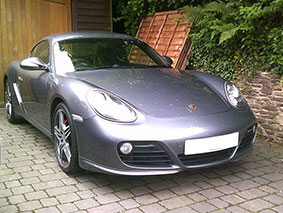
Cayman and Cayman S (2005 onwards)
The Cayman is simply described as a fixed head Boxster, but this does sell it short. With a very useful opening rear tailgate, there is more luggage space than the Boxster. It also enjoys perhaps the best Porsche styling since the original 911.
The Cayman has been hailed as the best handling Porsche for years. It is perfectly balanced and its bodyshell is as stiff as the 911 Carrera - making it far more predictable in fast corners. Of course, the ride inside is much quieter than the convertible Boxster.
The Cayman is much sought after and most appear to be enthusiast owned, but crash damage and wear and tear are the main inspection points, together with laptop assessment of the ECU (for signs of clocking, over-revs and fault codes). Engine condition checks are more important on Gen 1 Caymans as with the 997 Carrera models, particularly looking out for cooling system integrity and signs of cylinder bore scoring which affects the 3.4 litre engines more.
Again, if you can, make the stretch to the 09 Gen 2 cars, to benefit from the new engine.